

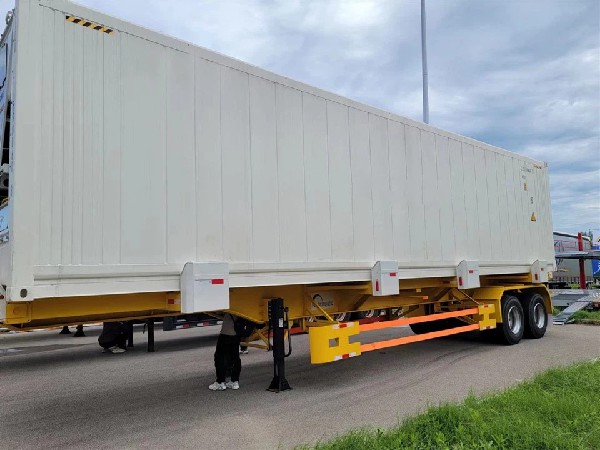
Dock Skeleton Trailer 2
Release time:2026-03-30 Visits:
The Crucial Role Of Chassis Trailers In Ports
Chassis trailers, commonly known as skeletal trailers, play an essential role in port operations, particularly in the transportation and handling of shipping containers. These specialized vehicles are designed to carry containers efficiently, making them indispensable in the logistics chain that connects sea and land transport.
Design And Functionality
Chassis trailers are characterized by their minimalist design, featuring a skeletal frame that supports a shipping container without the use of a traditional flatbed. This design allows for easy loading and unloading of containers, facilitating quick turnarounds at ports. The trailers are equipped with twist locks that secure the container in place, ensuring stability during transport. This functionality is critical in busy port environments where time is of the essence.
Efficiency In Port Operations
In ports, efficiency is paramount. Chassis trailers enable rapid movement of containers from ships to storage areas and vice versa. When a ship arrives, containers are unloaded and placed onto chassis trailers, which are then driven to designated areas for storage or further distribution. This process minimizes the time containers spend idle, thereby enhancing overall port throughput. The use of chassis trailers also allows for better organization within the port, as containers can be easily stacked and moved as needed.
Flexibility And Adaptability
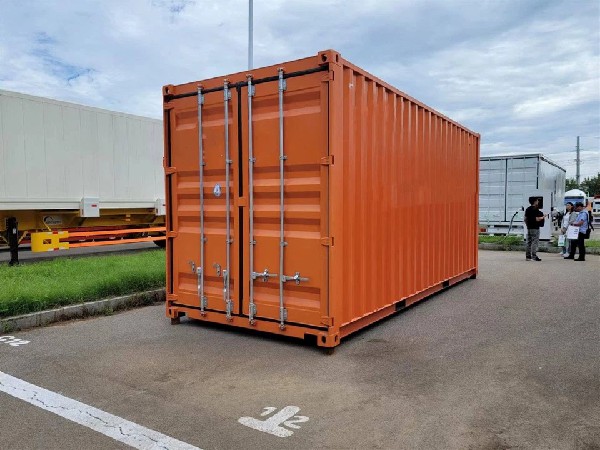
The flexibility of chassis trailers makes them suitable for various types of cargo. While they are primarily used for containerized cargo, they can also accommodate different container sizes, including standard 20-foot and 40-foot containers. This adaptability is crucial in a dynamic port environment where cargo types and sizes can vary significantly. Additionally, chassis trailers can be coupled with different types of trucks, allowing for seamless integration into existing logistics networks.
Environmental Impact
As global trade continues to grow, so does the need for sustainable practices in transportation. Chassis trailers contribute to reducing the carbon footprint of port operations. By facilitating efficient container movement, they help minimize fuel consumption and emissions associated with transportation. Furthermore, many modern chassis trailers are designed with lightweight materials and aerodynamic features that enhance fuel efficiency, aligning with the industry's push towards greener logistics solutions.
Challenges And Innovations
Despite their advantages, chassis trailers face challenges in port operations. Congestion is a significant issue, as the high volume of containers can lead to delays. To address this, ports are increasingly adopting technology-driven solutions, such as automated systems for container tracking and scheduling. Innovations in chassis design, such as those that incorporate smart technology for real-time monitoring, are also being explored to enhance efficiency further.
Conclusion
Chassis trailers are a vital component of port logistics, playing a significant role in the efficient movement of containers. Their design, functionality, and adaptability make them indispensable in modern port operations. As the industry continues to evolve, embracing technological advancements and sustainable practices will be crucial in maintaining the efficiency and effectiveness of chassis trailers in the global supply chain. Understanding their role not only highlights their importance but also underscores the ongoing need for innovation in port logistics.
Previous:
Van Truck Curtain Side TrailerNext:
Skeleton Semi-Trailer